

Building beautiful websites and ads in 2026 starts with picking the right resources. AI agents have made the assembly faster, but they pull from a small, well-known stack: component libraries that ship clean code, AI tools that generate working interfaces, inspiration libraries that show what already exists, gradient packs and icon sets that make a hero feel custom.
What follows is the complete 2026 guide. 22 design resources organized by category, each with a description and a screenshot of the landing page. Every resource on this list is one we'd actually install in a project this week.
Component libraries
Where the building blocks come from.
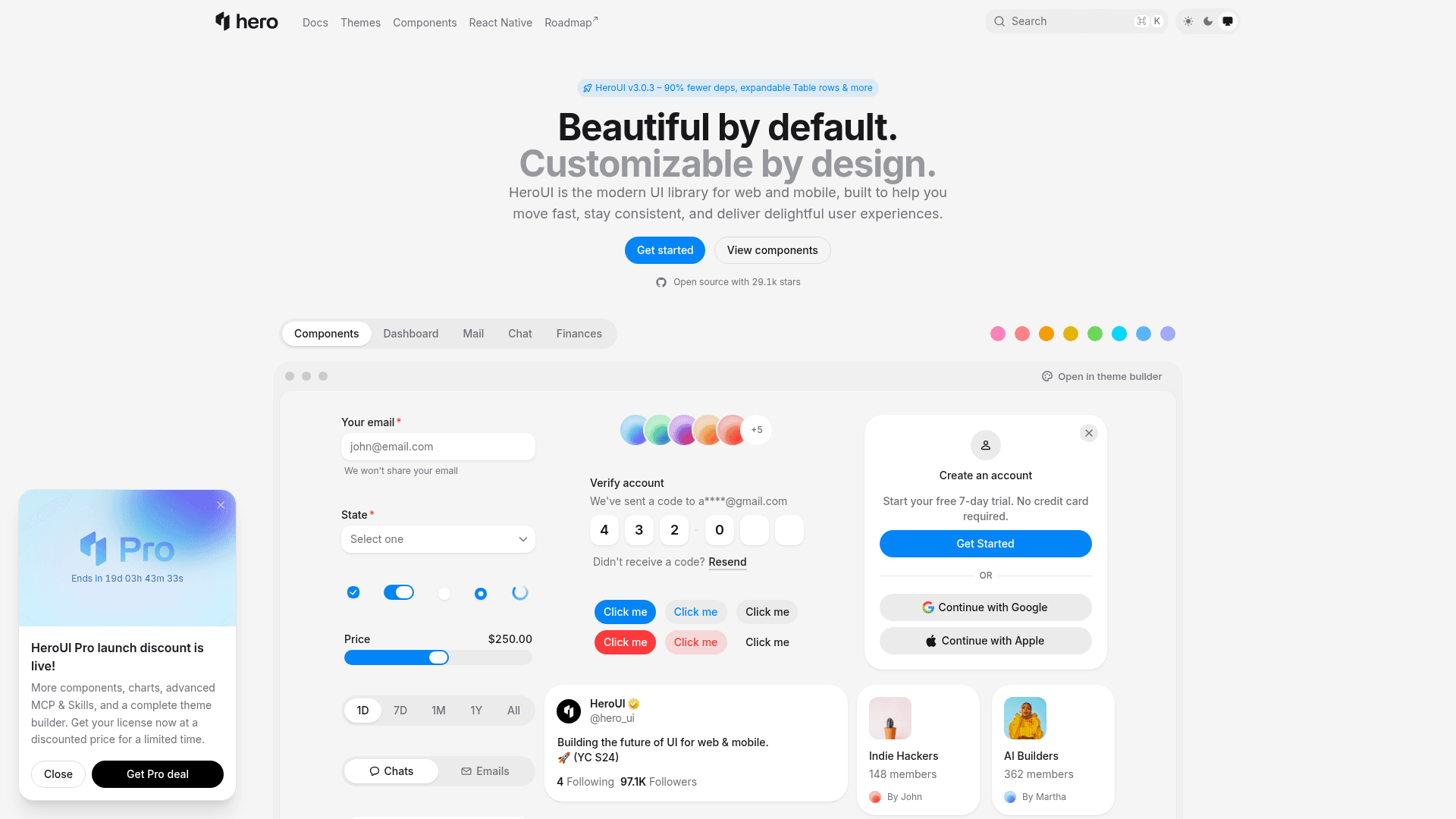
Shadcn UI
Shadcn UI is the default for React teams in 2026. It ships as a CLI that copies React and Tailwind components into your codebase, so you own the code. Around 50 components, all built on Radix primitives for accessibility. Customize via CSS variables or by editing the source files directly.
Install with npx shadcn@latest init, then add components individually. Most of the resources below assume Shadcn as the base.
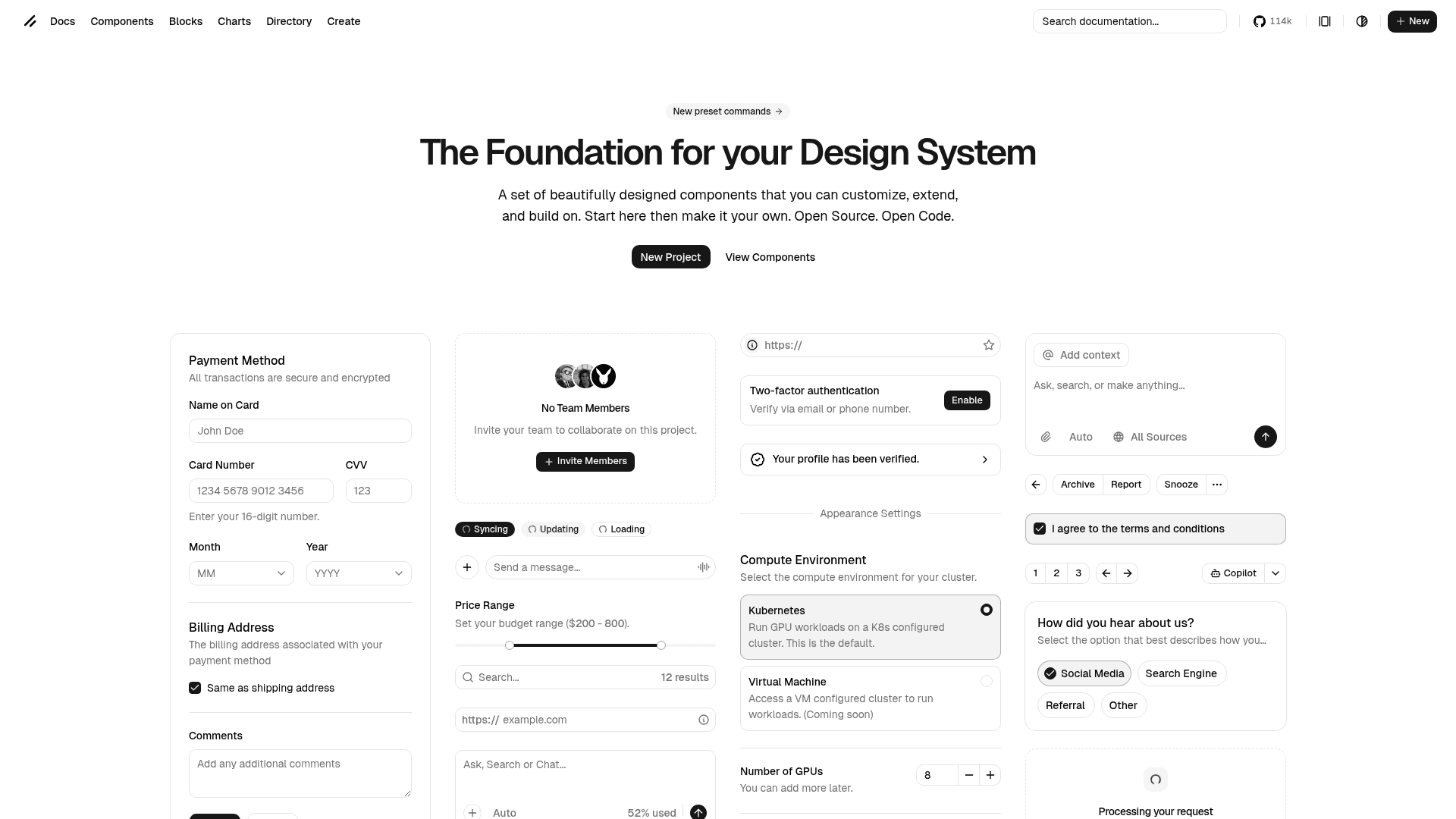
Magic UI
Animated React components with Framer Motion built in. Marquees, animated lists, particle effects, gradient borders, glowing buttons. The thing that makes a 2026 landing page feel current rather than 2022.
Magic UI is open source, free, and designed to drop into any Shadcn project without conflicts. Search volume on the brand keyword is climbing fast.
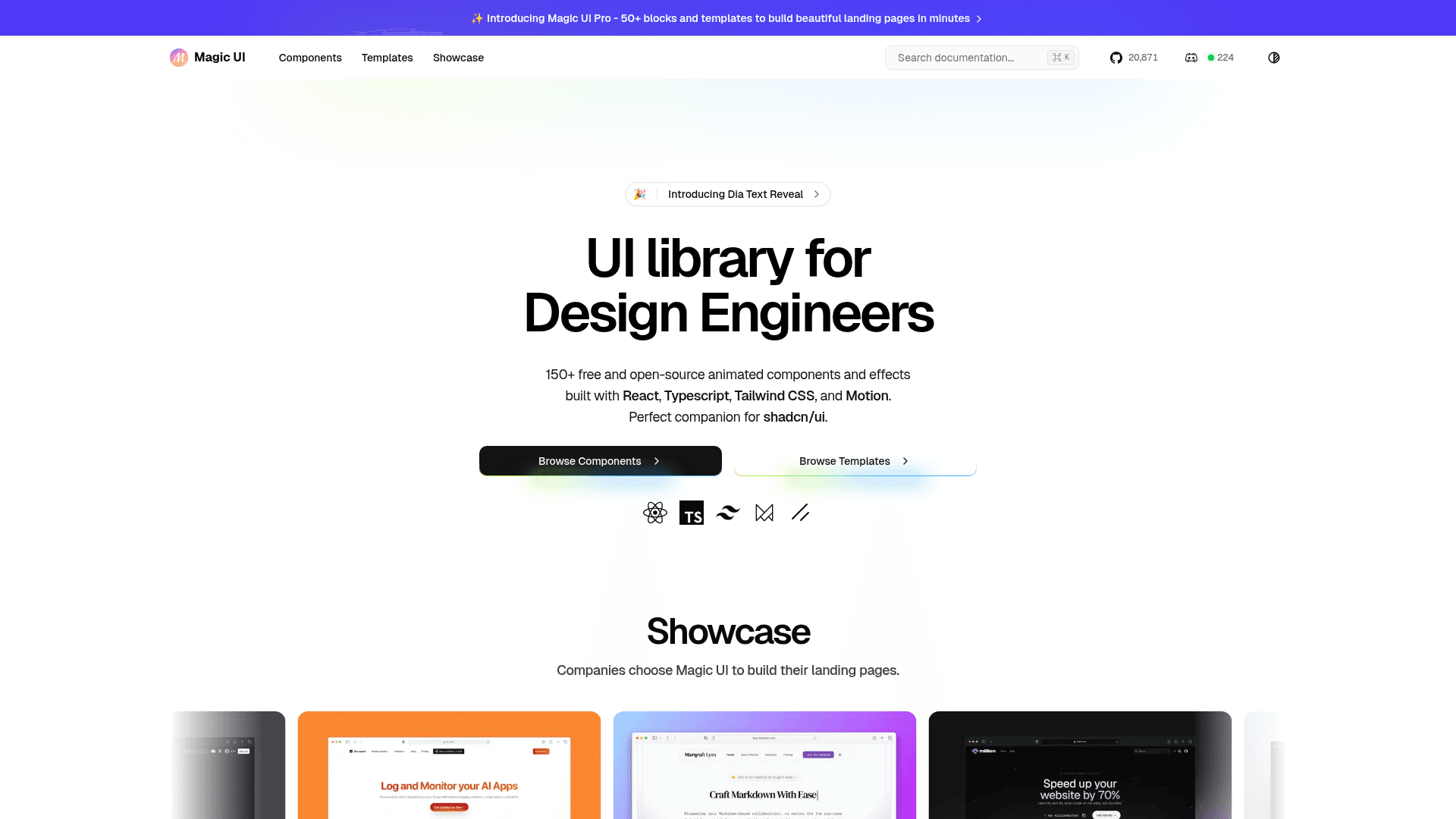
Aceternity UI
200 plus animated components: spotlight effects, infinite-scroll cards, 3D card hover, sparkles, bento grids, glowing borders. Pairs natively with Framer Motion. Free, with a paid Pro tier for premium templates and components.
Aceternity is the go-to when a landing page needs to look expensive without looking generic.
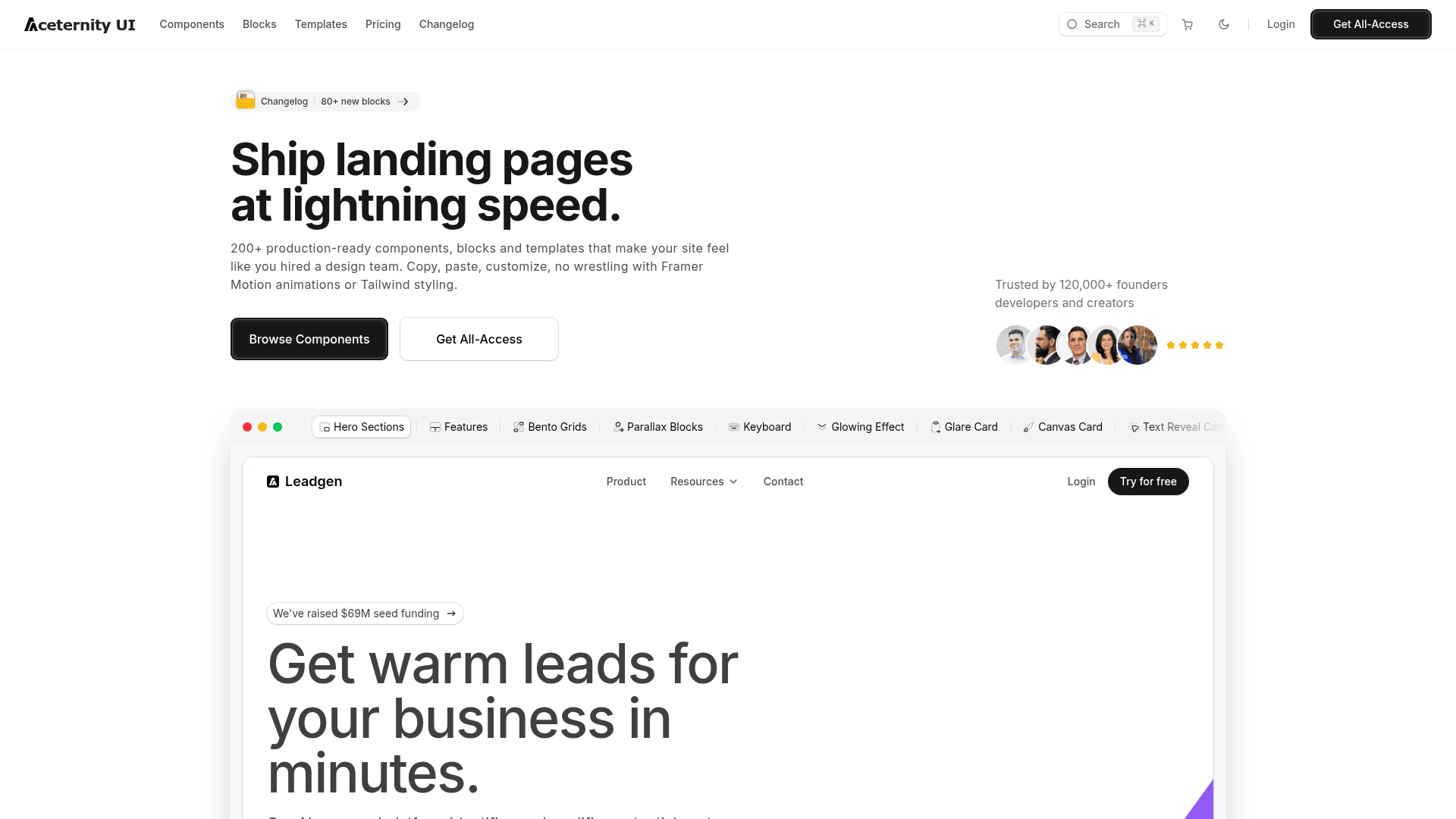
HeroUI
Formerly NextUI. A modern accessible React UI library with a less-Shadcn-feeling design system. Use HeroUI when Shadcn's minimal style doesn't match the brand. Just shipped v3 with full Tailwind 4 support.
Best for SaaS apps that need a more designed feel out of the box.
DaisyUI
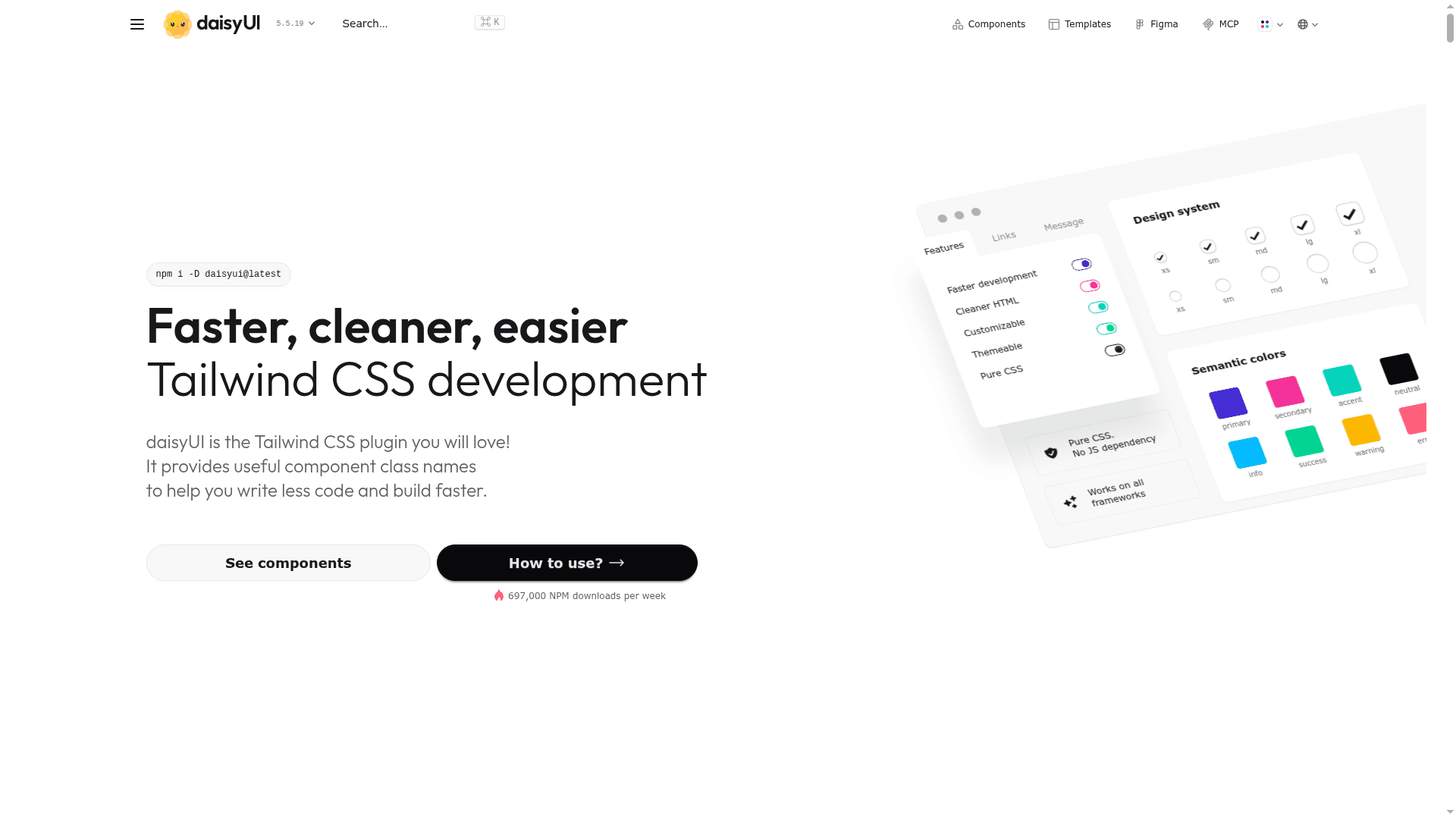
The most-installed Tailwind component library. Zero-JS components, 35 built-in themes, semantic class names. Good for marketing sites that don't need React state on every page.
If you're shipping a static or Astro site, DaisyUI ships faster than Shadcn.
Pre-built blocks and templates
Where you skip assembly and grab a working section or a full page.
Tailark
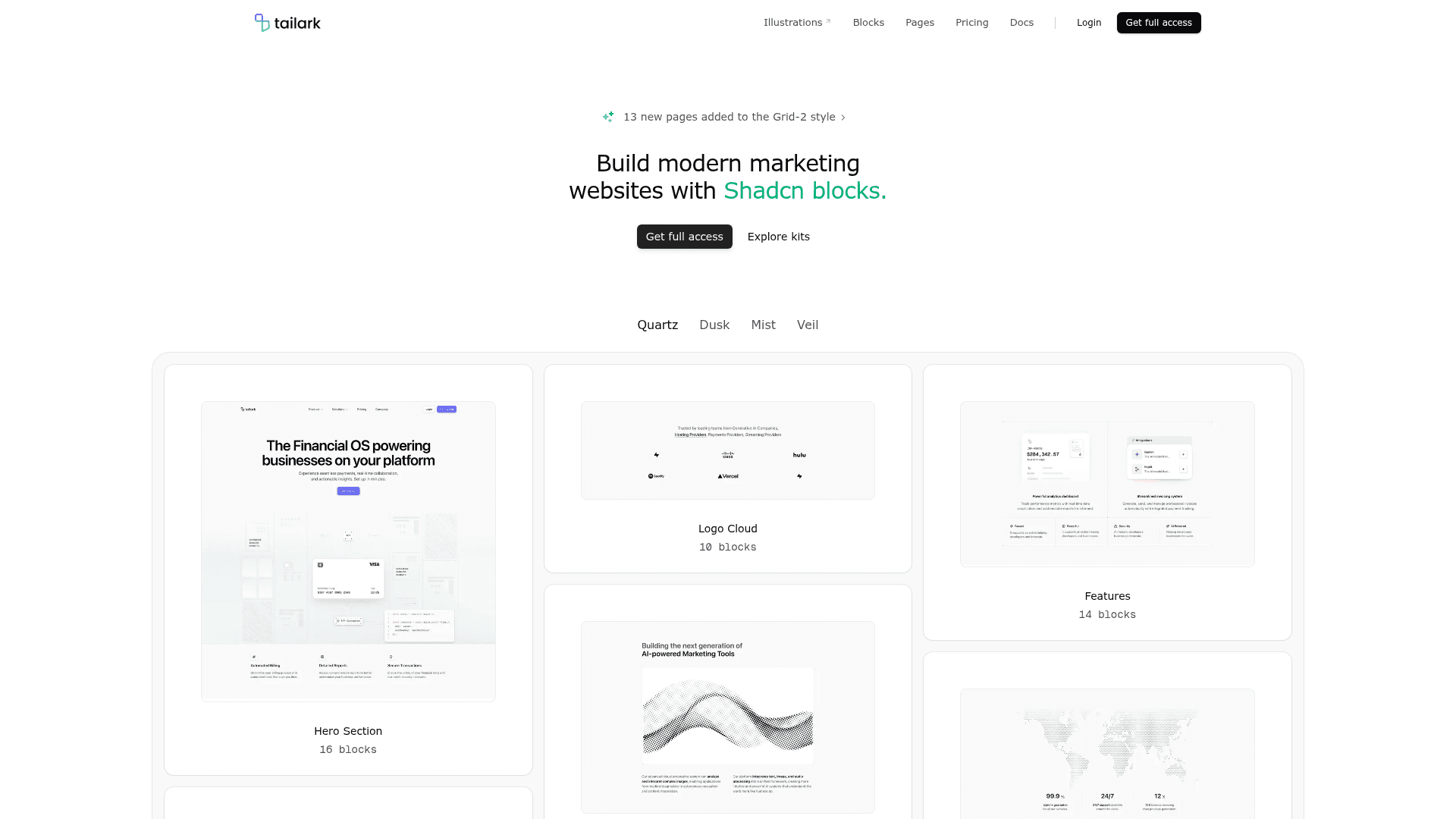
Pre-built marketing blocks for Tailwind plus Shadcn. Hero sections, pricing tables, feature grids, footers, testimonials, CTA blocks. Copy-paste, not a library install.
Useful when a landing page needs to ship tonight and the team would rather pick from polished blocks than design from scratch.
ReactBits.dev
Hand-crafted React components for landing pages. Sourced from designers across the indie ecosystem. Visual-first browsing, drop-in code. Strong on text effects, animated cursors, and creative interaction patterns that aren't in any other library.
21st.dev
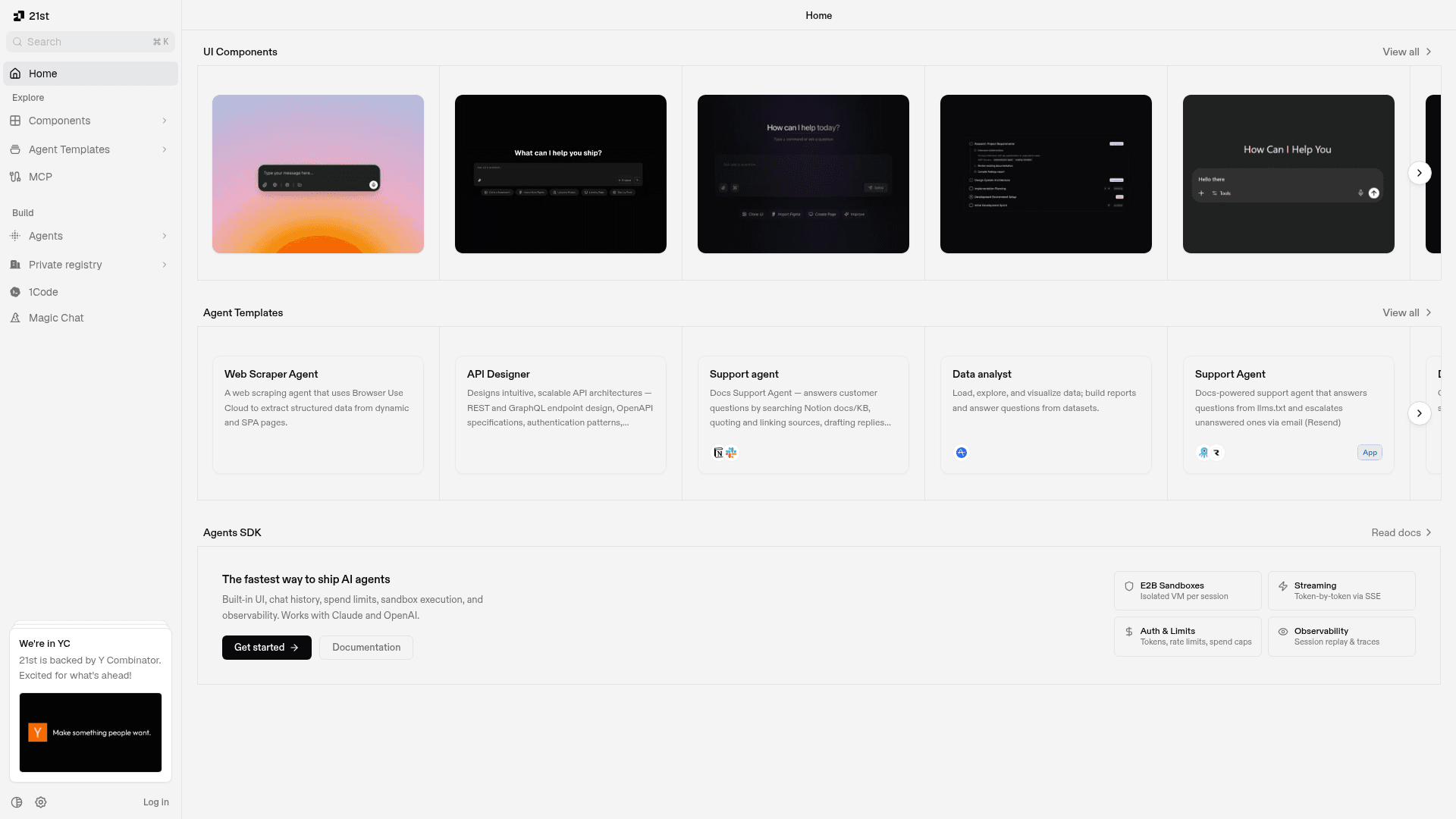
Originally a Shadcn component registry. Now also an AI agent registry where developers publish ready-to-use Claude Managed Agent configs alongside React components. The hybrid is on-brand for 2026: design assets and agent configs in the same library.
Good for finding the one specific component Shadcn doesn't ship (animated cursors, pricing toggles, signup steppers).
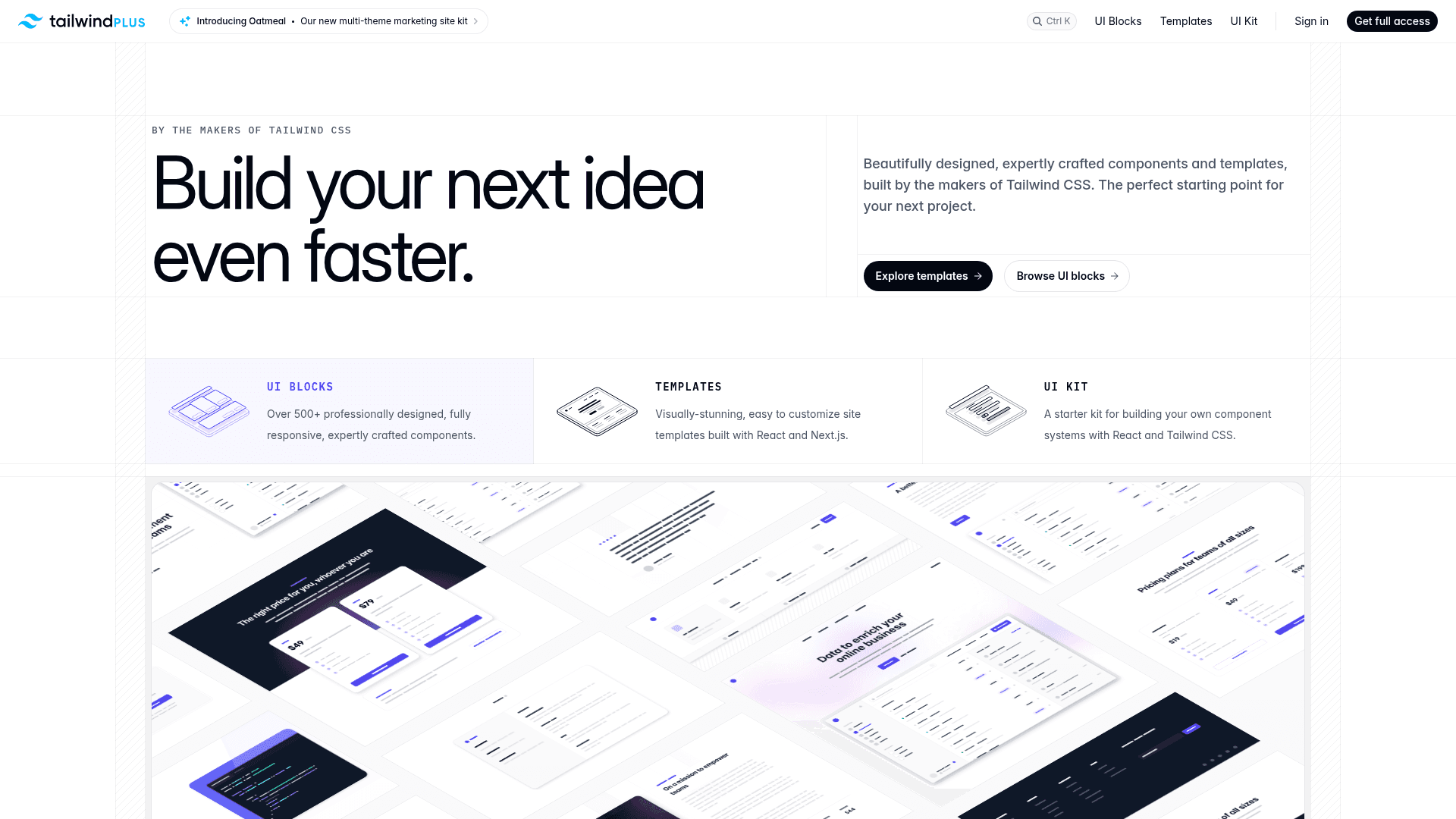
Tailwind Plus
Formerly Tailwind UI. Premium component library by the makers of Tailwind. UI Blocks, full templates, and a UI Kit for Figma. The answer when a B2B SaaS landing page needs to feel polished without a designer.
Around 300 USD, lifetime license. Worth it if it saves the cost of one freelance designer.
AI design tools
The fastest-growing category in 2026.
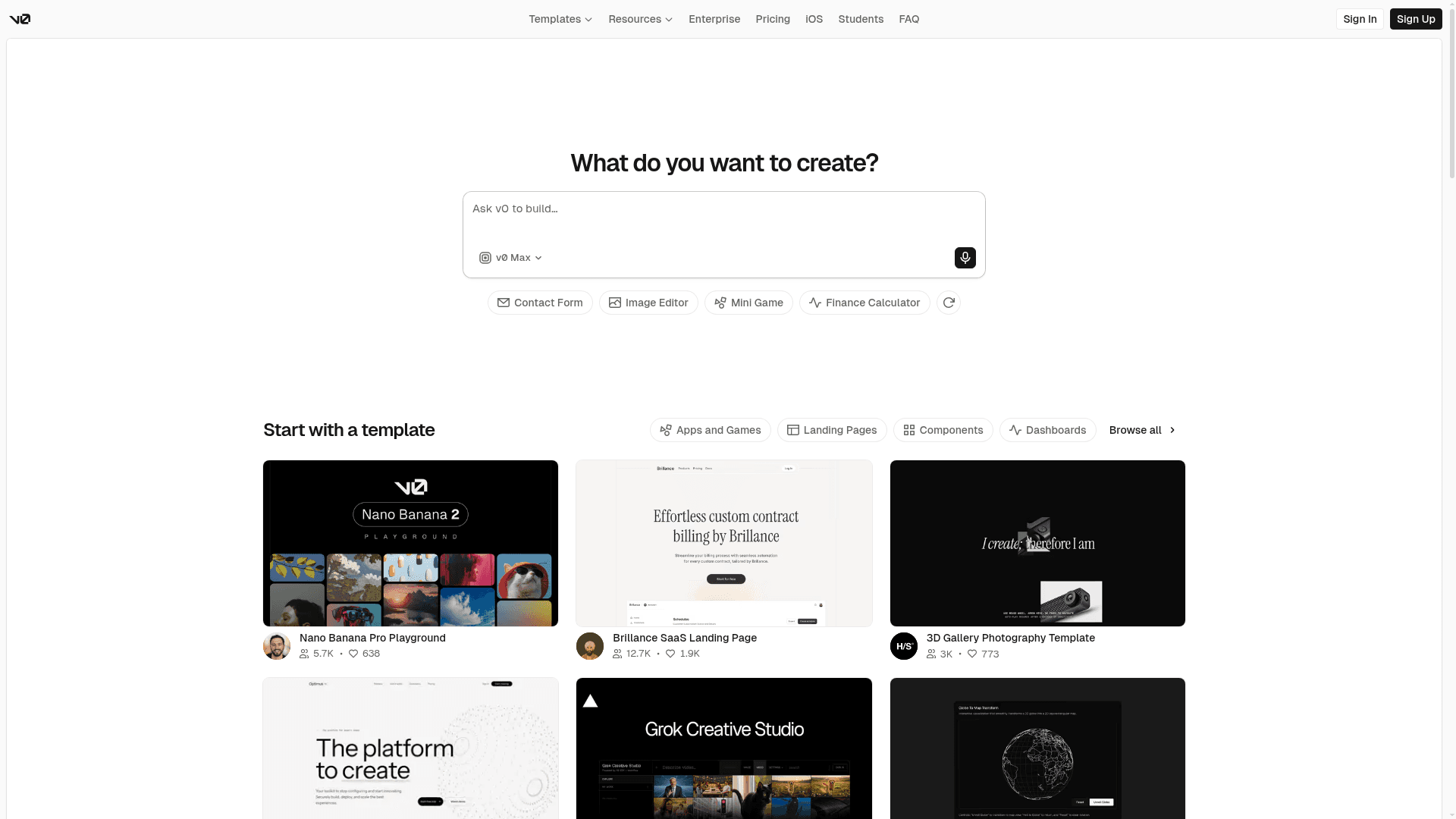
v0 by Vercel
Generate React components from a text prompt. Iterate in chat. Ship to Vercel directly. The default AI tool for shipping Shadcn-style UI fast.
Now positioned as "Build Agents, Apps, and Websites with AI" with native support for full-stack apps and AI agents.
Hyper's Figma skill
For marketing teams. Hyper reads your existing site and ad creative, builds a brand profile, and generates ad-ready static images and short videos that match your design language. Connects through MCP, so it works from Claude, Cursor, or directly inside Figma.
Use it when the website is built and the next job is putting design into ad creative. The agent generates ads that match the site without a separate creative brief loop.
GPT Image and Seedance
Static image generation for product hero shots, feature illustrations, and thumbnail graphics that aren't in stock libraries. Both are reasonable defaults in 2026, accessed through the OpenAI API or directly through Hyper's MCP.
Inspiration libraries
Where to look when the blank canvas is the problem.
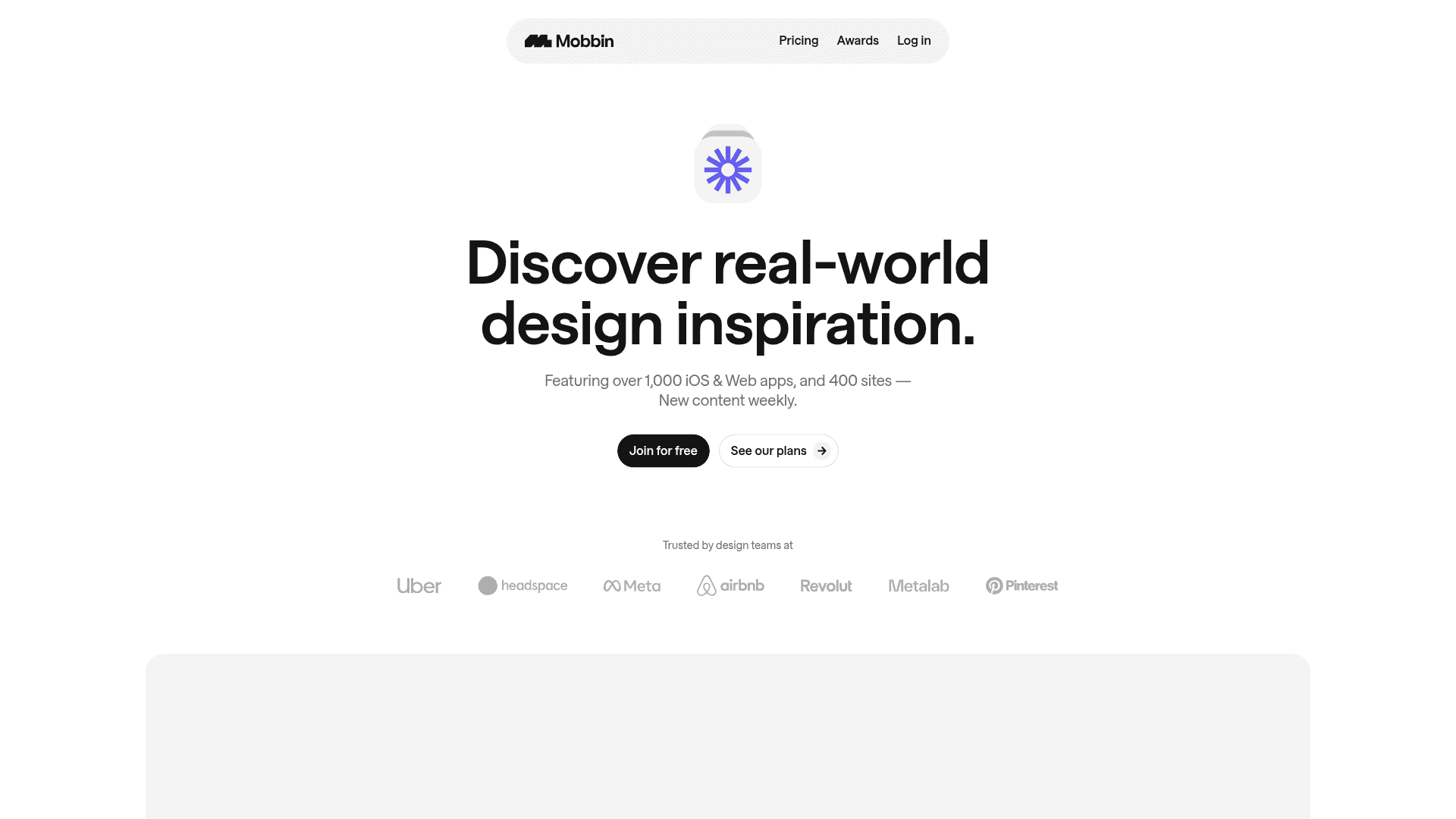
Mobbin
The largest UI and UX inspiration library on the internet. Over 600,000 searchable mobile and web app screenshots. Filter by app category, design pattern, or specific flow (onboarding, checkout, paywall, search).
For marketing teams designing a flow they haven't built before, Mobbin is the fastest way to see how 200 other companies have solved the same problem.
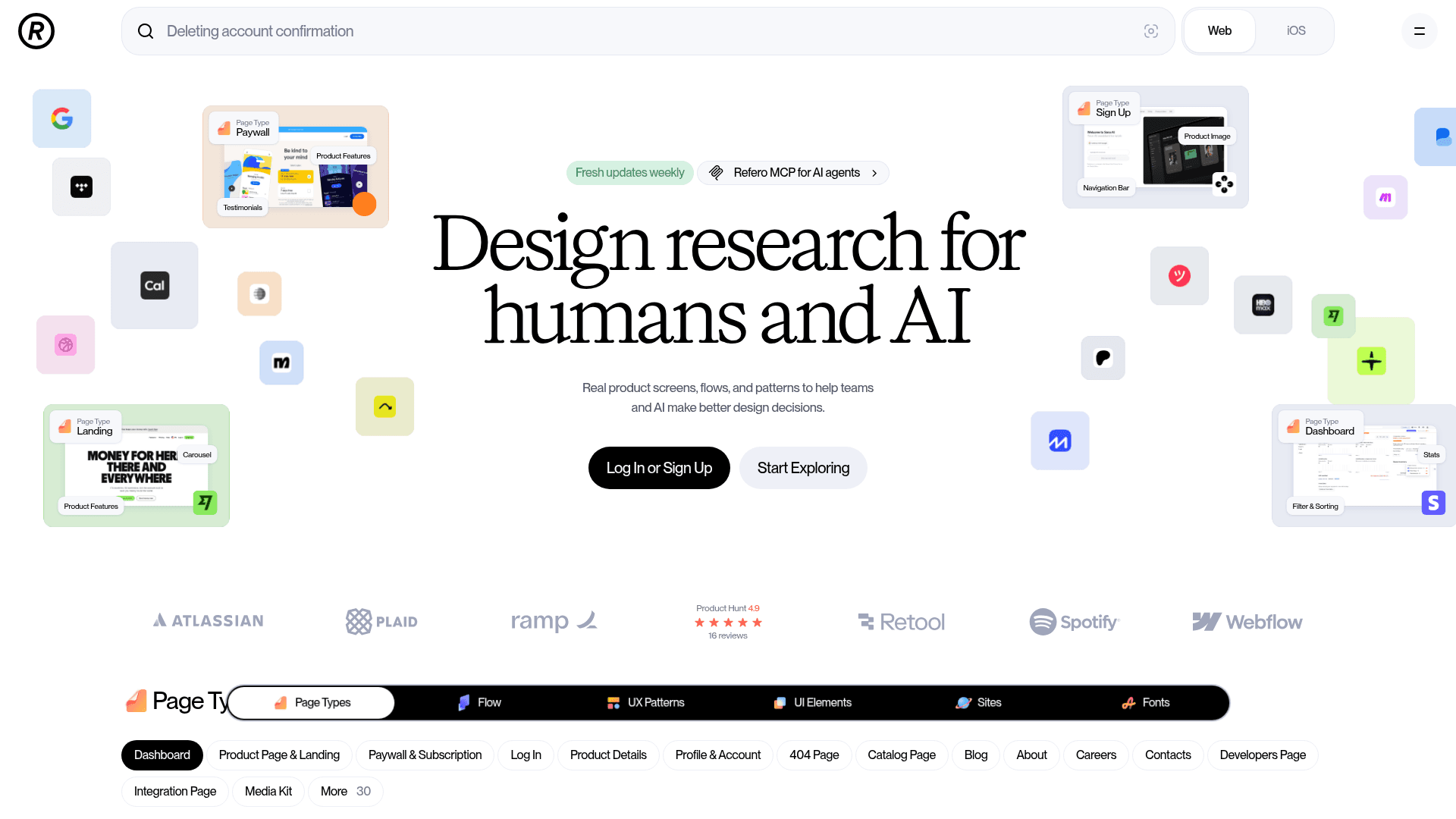
Refero
UI and UX design references organized by page type (dashboard, login, profile, settings, pricing, empty state). Smaller than Mobbin but better-organized for component-level inspiration when you're designing one specific screen.
Free tier covers most use cases. Pro tier unlocks higher-resolution exports and full search.
Backgrounds, gradients, icons
The polish layer.
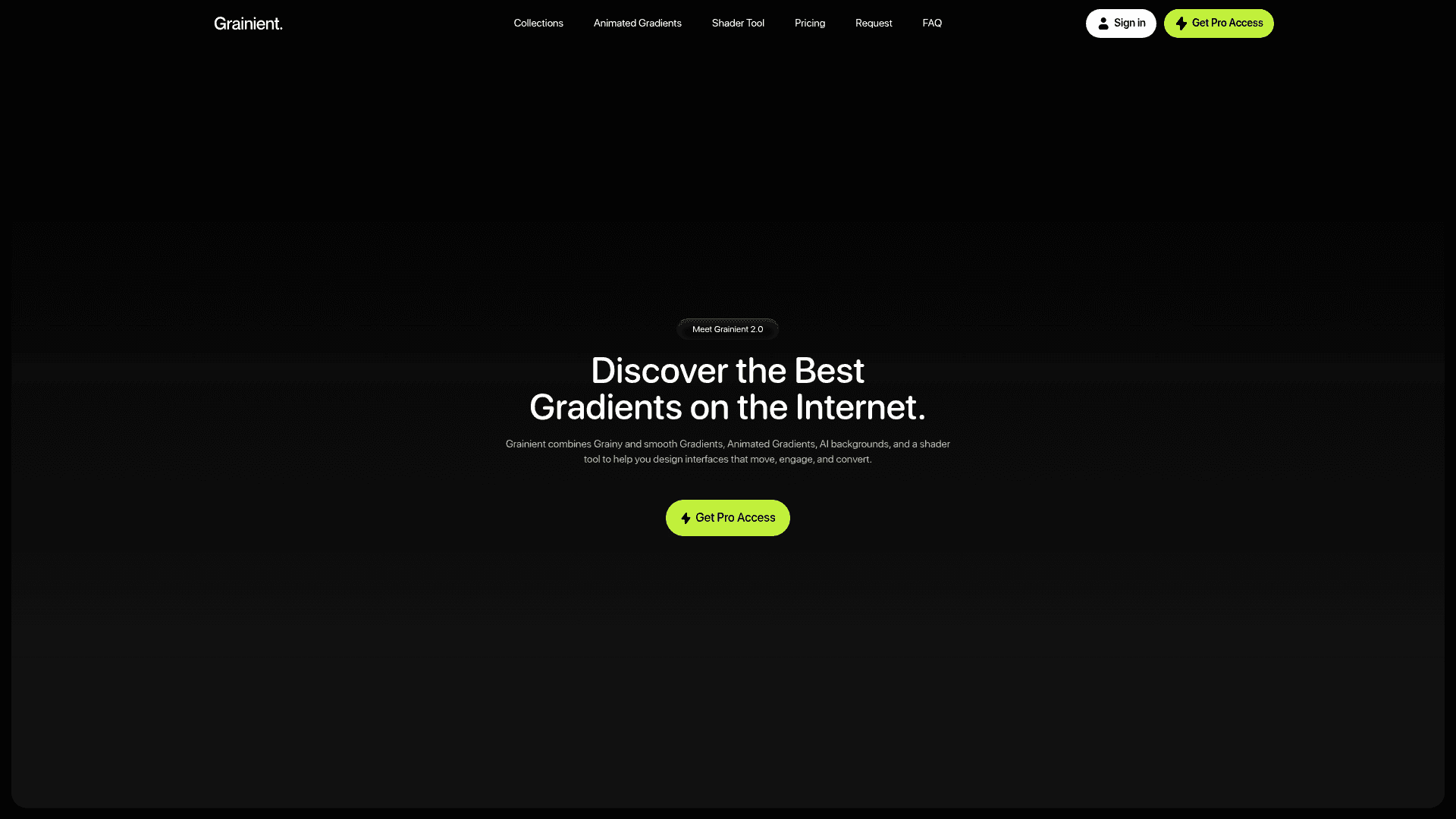
Grainient.supply
Curated gradient backgrounds with real grain texture. 1,000 plus gradients, animated gradients, AI-generated backgrounds. Free tier for personal use, Pro for unlimited downloads.
Drop one as a hero background and the page instantly feels designed.
Mesh Gradients
Generate animated mesh gradients in pure CSS. Pair with Framer Motion to add ambient movement on scroll. Tools to try: csshero.org/mesher, meshgradient.com, paper-css/mesh.
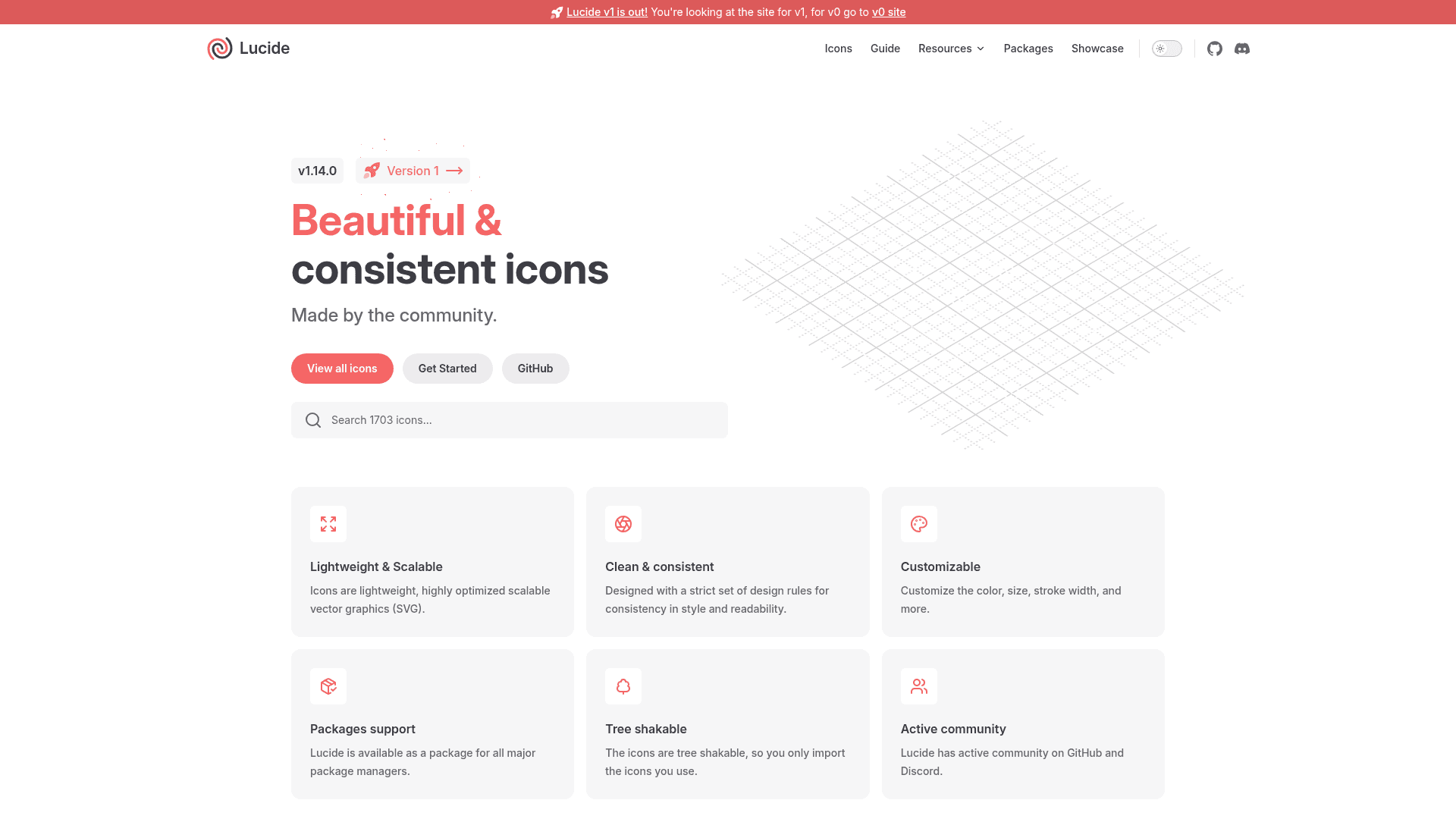
Lucide
The Shadcn default icon set. Tree-shakable, 1,500 plus icons, already integrated in any Shadcn project. Forked from Feather Icons in 2020 and now maintained as a community project with a much wider set.
Heroicons
300 plus hand-crafted icons in solid, outline, mini, and micro styles. By the makers of Tailwind. Pairs naturally with Tailwind sites and ships with React, Vue, and SVG variants.

Design-to-code and mockups
HTML2Design (Figma plugin)
Imports rendered HTML and CSS into Figma as editable layers. The reverse direction (Figma to HTML) is also useful through plugins like Anima. Most useful for handoff workflows where designers and developers split work, or for capturing competitor sites into editable Figma files for inspiration.
Honorable mentions
Resources that almost made the main list.
Untitled UI. Polished design-system-first React components. Targets enterprise-feeling apps. Licensed (around 200 USD).
Tailgrids UI. Open-source. 600 plus components. Larger volume than Shadcn alone, less curated.
Precedent. Open-source Next.js starter by Steven Tey. Shadcn, Framer Motion, Clerk auth, Vercel Analytics included. The de facto starter for indie hackers shipping SaaS.
Cruip Open. Free open-source landing template for SaaS, built on Tailwind. Hero, features, testimonials, pricing, FAQ. Drop in your copy and ship.
Treact. Free React plus Tailwind landing template. Modular, fully responsive. Works for portfolio sites and small product landing pages.
The 5-resource starter stack
If you're shipping a marketing site this weekend, install:
- Shadcn UI for the base components
- Magic UI for animations
- Tailark for pre-built blocks
- Grainient.supply for gradient backgrounds
- v0 by Vercel for the AI gaps
That combination ships a real-feeling site in 48 hours. For inspiration along the way, browse Mobbin and Refero for any flow you haven't built before.
From websites to ads
The same resources work for ad creative. The handoff usually breaks: a team designs a beautiful website with Shadcn plus Magic UI, then runs ads with stock-feeling creative made in Canva or off-brand AI image generators. The brand splits in two.
Pulling the same design language through to ad creative is a free quality lift if the ad tool supports it. Hyper's Figma skill does this directly: it reads the site's design tokens, brand colors, and existing ad creative, then generates new ads that match. The output goes straight into Meta, TikTok, Google, or LinkedIn through the agent.
Most marketing teams skip this step. The ones that ship better-feeling ads at the same volume are the ones that don't.
What to do next
Pick three resources from the list. Install them. Ship a landing page.
What makes a 2026 site feel current is how the stack works together. Single resources don't carry it. The combination does.
Start a Hyper trial at hyperfx.ai if the next job is running paid ads and organic social with the same design language as your site.